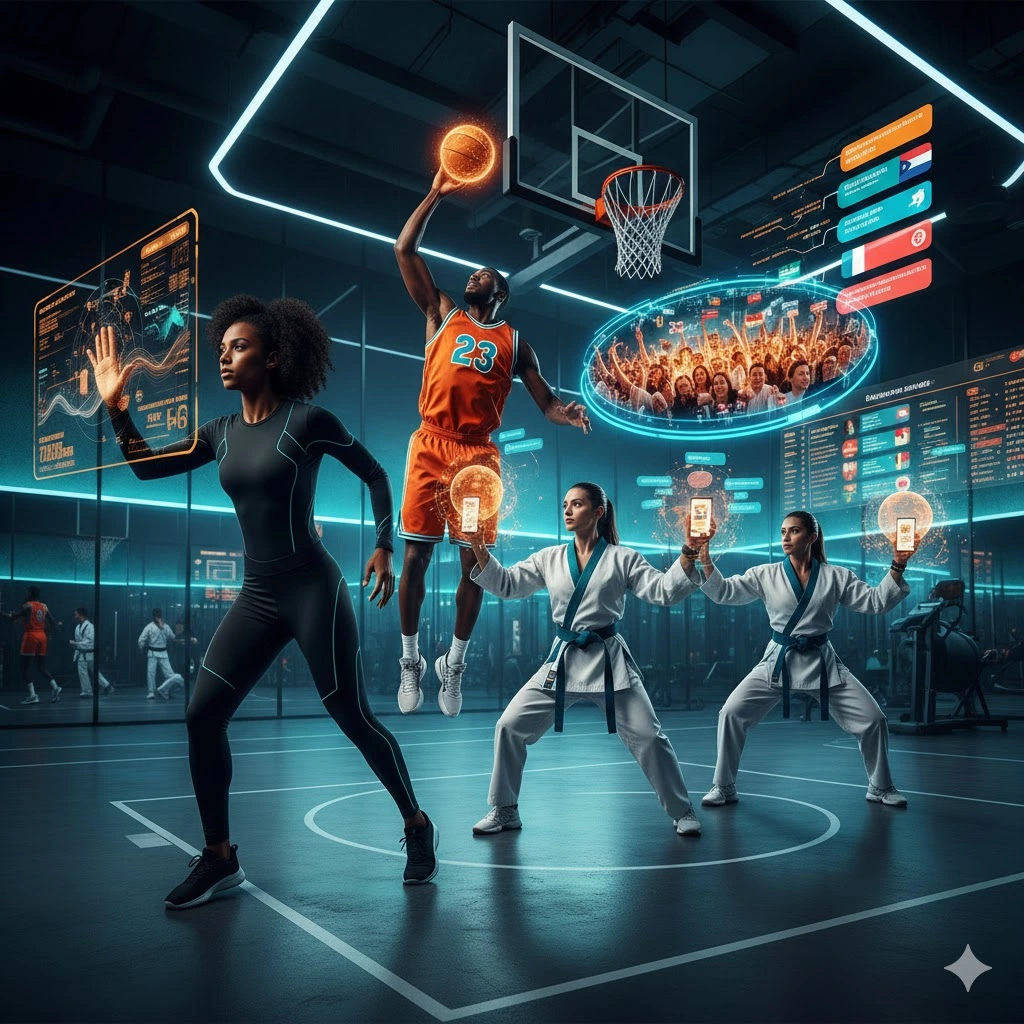
LatestSportsBuzz: Where Sports Meets Tech & Culture in 2025
Sports aren’t what they used to be. If you’ve noticed athletes posting more on Instagram than training clips, or teams hiring sports psychologists alongside strength coaches, you’re witnessing the #LatestSportsBuzz phenomenon—a fundamental shift in how athletics intersects with technology, mental health, and global culture.
This isn’t just about who won last night’s game anymore. LatestSportsBuzz exploring the intersection captures the exact moment where traditional sports collide with artificial intelligence, social activism, wearable tech, and digital fandom. Understanding this convergence isn’t optional if you want to grasp where sports are heading in 2025 and beyond.
The Real Meaning Behind LatestSportsBuzz
When we talk about sports intersecting with modern culture, we’re looking at three overlapping transformations happening simultaneously: technological revolution in training and performance, cultural shifts in how athletes use their platforms, and business model disruptions changing everything from broadcasting to sponsorships.
Take LeBron James. He’s not just an NBA superstar—he’s a media mogul running SpringHill Entertainment, a social justice advocate influencing political conversations, and a businessman with stakes in multiple industries. Or consider Naomi Osaka withdrawing from the French Open to protect her mental health, sparking worldwide discussions about athlete wellbeing that would’ve been unthinkable a decade ago.
The USWNT’s fight for equal pay didn’t just result in a landmark agreement—it changed how fans view fairness in professional sports. These moments exemplify what latestsportsbuzz actually means: sports becoming the testing ground for broader societal changes.
Technology Is Rewriting Athletic Performance
The gap between science fiction and sports science has completely vanished. Professional athletes now train in environments that look more like NASA control rooms than traditional gyms.
Wearable technology has evolved from basic heart rate monitors to sophisticated biometric systems. Teams invest millions in devices tracking heart rate variability, oxygen saturation, biomechanical stress patterns, and sleep quality. This data doesn’t just optimize performance—it predicts injuries before they happen. Baseball pitchers have their throwing mechanics analyzed frame-by-frame, identifying micro-inefficiencies that could lead to Tommy John surgery months down the line.
Virtual reality training has moved from experimental gimmick to essential tool. NFL quarterbacks practice reading defensive formations in VR without risking concussions. Formula 1 drivers spend countless hours in simulators replicating every bump and curve of actual circuits. Golfers virtually play courses they’ve never physically visited. The boundary between digital practice and physical competition continues dissolving.
AI and machine learning now influence critical coaching decisions. Algorithms recommend optimal lineups based on historical matchup data. They forecast injury risks weeks ahead. They scout talent by processing thousands of hours of game footage faster than any human scout. While human intuition still matters, data-driven decisions have become the industry standard.
But here’s the uncomfortable question: where’s the ethical line? Technology creates gray areas we’re unprepared to navigate. Is gene therapy fundamentally different from traditional doping? Are therapeutic use exemptions truly fair? When does recovery science cross into performance enhancement? These debates are intensifying without clear answers emerging.
The Cultural Revolution in Athletics
Mental health in sports has undergone a seismic shift. When Simone Biles withdrew from Olympic events, she received overwhelming support rather than criticism—a response unimaginable in previous generations. Michael Phelps openly discusses his depression. Kevin Love shares experiences with panic attacks. These conversations were career-ending taboos just fifteen years ago.
Athlete activism isn’t new—Muhammad Ali sacrificed his prime years for principle, and Colin Kaepernick’s protest sparked national dialogue. What’s changed is the scale and mainstream acceptance. When entire leagues officially support movements like Black Lives Matter or Pride Month, that represents massive cultural evolution. Whether you personally agree with specific positions or not, athletes speaking on social issues has become normalized in ways that would’ve destroyed careers in the 1990s.
Globalization has transformed sports into humanity’s most effective cultural exchange program. Soccer players from Brazil play in England, train with coaches from Nigeria, and have passionate fan bases across Japan and South Korea. The NBA features more international talent than ever. Cricket’s Indian Premier League attracts investors from Silicon Valley to the Middle East. A teenager in Mumbai can become a die-hard Lakers fan without ever visiting California, thanks to streaming platforms and social media algorithms.
The Business Side Most Fans Miss
Sports have always been profitable, but we’re now witnessing multi-billion dollar industries operating in fundamentally new ways that most casual fans don’t see.
Sponsorship deals have evolved beyond simple logo placements. Brands demand authentic partnerships where athletes genuinely use and promote products. Social media influence now matters more than on-field statistics for many endorsement contracts. An athlete with 10 million Instagram followers can command massive deals regardless of their game performance.
Broadcasting rights have become contentious battlegrounds. Traditional cable networks compete with streaming giants like Amazon, Apple, and YouTube. Regional sports networks struggle while national platforms thrive. Modern fans expect to watch any game, anywhere, anytime, on any device—and revenue models built over decades are being completely reimagined.
Name, Image, and Likeness (NIL) deals transformed college athletics literally overnight. Student-athletes can finally profit from their talents, but it’s created stark inequalities. Some college players earn millions while teammates struggle to afford textbooks. Schools with wealthy alumni bases dominate NIL opportunities. The long-term implications are still unfolding, but there’s no going back.
Common Misconceptions Fans Make
Myth 1: Technology ruins the purity of sports.
Every generation believes their era featured “real” athletes while modern players take shortcuts. But technology simply optimizes what’s always existed—the relentless drive to improve. Babe Ruth would’ve absolutely used exit velocity data if he’d had access to it. Vince Lombardi would’ve embraced wearable tech for injury prevention.
Myth 2: Athlete activism is a recent phenomenon.
Jackie Robinson broke baseball’s color barrier in 1947. Tommie Smith and John Carlos raised fists at the 1968 Olympics. Billie Jean King fought for gender equality in the 1970s. Today’s athletes stand on the shoulders of those who risked everything before them.
Myth 3: Globalization diminishes local fandom.
This misunderstands how modern identity works. You can passionately support your hometown team while also following international stars. Fandom isn’t zero-sum anymore—it’s expansive, multifaceted, and increasingly digital.
What’s Coming Next in This Evolution
Based on current trajectories, several trends are becoming unavoidable.
Sustainability in sports is shifting from PR talking point to competitive necessity. Carbon-neutral stadiums, eco-friendly equipment, and reduced travel footprints matter to younger fans who demand environmental responsibility. Teams and leagues ignoring sustainability risk alienating the next generation.
The metaverse and NFTs might sound like buzzwords, but they’re already changing fan engagement. Digital collectibles, virtual stadium experiences, and blockchain-verified memorabilia represent new revenue streams. Whether these trends have staying power remains uncertain, but the experimentation is aggressive and well-funded.
Mental health resources will continue expanding. Teams hiring full-time sports psychologists is becoming standard practice across all professional leagues. Meditation apps designed specifically for athletes are multiplying. The stigma around mental wellness in competitive sports is rapidly disappearing.
Gender equity and transgender athlete inclusion remain contentious topics without simple solutions. Professional sports face complex questions about fairness in competition, the role of biological differences, and personal identity rights—all intertwined in ethical debates requiring nuanced resolutions.
The Uncomfortable Truth About Modern Sports
Here’s what many fans don’t want to hear: there’s no going back. The sports world you grew up with doesn’t exist anymore, and that’s not necessarily negative.
LatestSportsBuzz exploring the intersection represents inevitable progress. Yes, some changes feel jarring. Yes, nostalgia for “simpler times” is real and valid. But athletes are healthier, fans have unprecedented access, and sports reach more people globally than ever before.
The unpredictable nature of these transformations is exactly what makes following sports exciting right now. We’re witnessing history unfold in real-time, and every season brings innovations nobody predicted.
Want to stay ahead? Follow athletes directly on social media. Watch documentaries about sports technology. Read about the business side of athletics. Engage with perspectives different from your own—especially from international fans whose experiences differ from yours. The intersection of sports, culture, and technology is where the most compelling stories are happening.
Why This Matters Beyond the Game
Sports have never been just games. They’re cultural touchstones that unite diverse communities, economic engines driving billions in revenue, and mirrors reflecting society back at itself. Understanding latestsportsbuzz exploring the intersection helps you appreciate not just what’s happening on the field, but why it profoundly matters off it too.
The athletes competing today face pressures previous generations couldn’t imagine—constant social media scrutiny, political expectations, mental health challenges amplified by global attention. But they also have opportunities their predecessors never dreamed of: platforms to create real social change, technology to extend their careers, and global audiences connecting across continents.
This convergence of sports, technology, and culture isn’t a trend that will pass. It’s the new reality of athletics—complex, controversial, and absolutely fascinating to watch unfold.