FIFA 2026 World Cup Ticket Prices: What You Need to Know Before You Buy
Picture this: you’re planning the most fantastic tour just to watch the 2026 World Cup, but upon checking the ticket prices, you find them to be exorbitantly high. The same situation applies to you. There are a lot of supporters from different parts of the world who are shocked by the overpriced FIFA 2026 tickets, and if you’re not cautious the new pricing system could either save you hundreds or cost you thousands. The 2026 World Cup will not only have more teams participating, 48 instead of 32, but it will also employ a radically different pricing model that has caught a huge number of fans off guard. So, here is a complete guide to FIFA 2026 ticket prices including the cheapest tickets and the most expensive final costs.
What Makes FIFA 2026 Ticket Prices Different
FIFA’s first try with dynamic pricing for the tournament is reflected in this World Cup situation. It’s similar to the situation of buying airline tickets or reserving hotel rooms—prices vary depending on demand, playing teams, and the time left before the match.
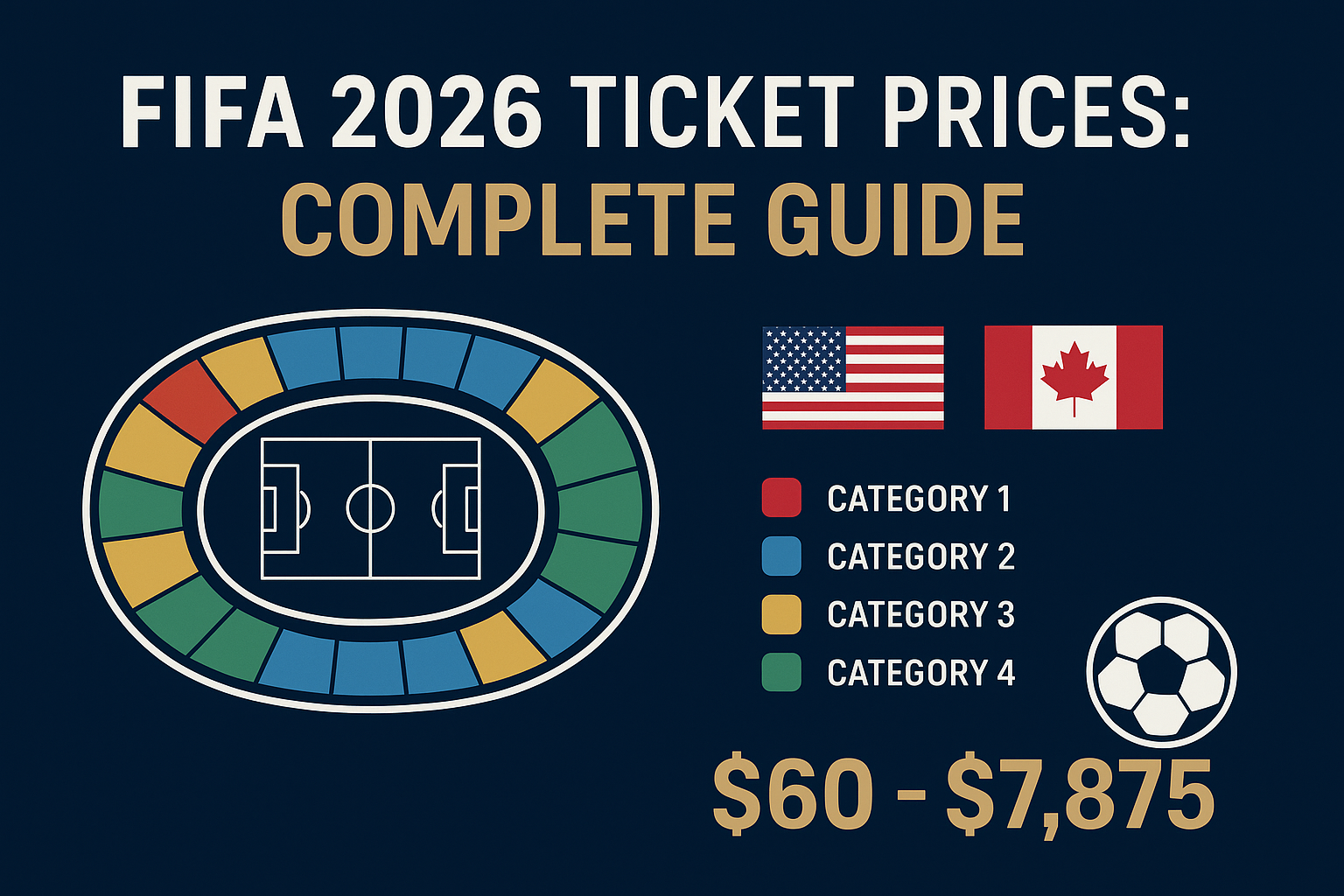
There is a huge difference in price. The starting price of $60 for group stage tickets is very low; however, the most expensive grand finale ticket sold in Phase 2 was priced at $7,875. No mistake here. The minimum price of one final seat is now more than $2,000, whereas it was only $1,607 at Qatar 2022.
But here’s what most articles won’t tell you: dynamic pricing can work in your favor. During the 2023 Club World Cup (also held in the U.S.), semifinal tickets dropped from $474 to $13 within days as demand softened. The key is knowing when and where to look.
Breaking Down FIFA 2026 Ticket Prices by Stage
Let’s cut through the confusion with actual numbers based on the latest sales phases:
Group Stage Matches
- Non-host nation games: $60-$620
- USA matches: $560-$2,735 (opening game in Los Angeles)
- Mexico matches: $370-$2,140 (Mexico City opener)
- Canada matches: $355-$1,930 (Toronto opener)
Knockout Rounds
- Round of 32: $105-$750
- Round of 16: $170-$980
- Quarter-finals: $275-$1,775
- Semi-finals: $420-$3,295
- Final (MetLife Stadium): $2,030-$7,875
The cheapest tickets ($60) are Category 4 seats in smaller markets like Kansas City or Monterrey for early group games. But don’t expect many of these. During Phase 1, fewer than 40 of the 104 matches had $60 seats available.
The Four Category System Explained
FIFA changed how they assign seat categories for 2026, and it’s causing frustration among longtime fans. Instead of organizing by field proximity (like previous World Cups), categories now depend on height within the stadium.
Category 1: Lower bowl seats—best views, highest prices Category 2: Mix of upper and lower sections outside Category 1 Category 3: Mostly upper tier seats Category 4: Highest seats in the stadium
Here’s the problem: most stadiums allocate the majority of tickets to Category 1. You might pay Category 2 pricing ($335) for a seat just one row ahead of a Category 4 seat ($125). In Qatar 2022, I paid $69 to sit front row for Brazil vs. Switzerland. That same seat would now cost $410 or more as a Category 1 ticket.
City-by-City Price Comparison
Not all venues charge the same. Here’s what group stage Category 1 tickets cost in major cities during Phase 1:
- Kansas City/Houston/Boston: $410
- Dallas/Miami/Philadelphia: $445
- Toronto/Vancouver: $445-$475
- New York/San Francisco/Los Angeles: $620
- Mexico City (non-Mexico games): $410
Los Angeles commands premium pricing across all categories. The USMNT’s opening match there on June 12 ranges from $560 (Category 4) to $2,735 (Category 1). That’s 4-5 times higher than other host cities.
When Prices Changed Between Phases
FIFA launched Phase 2 ticket sales in the month of November, and there was a huge increase in prices for the matches that were in the highest demand. The price of Category 1 tickets for the games of USA, Mexico, and Canada went up between 6% and 39% depending on the place of the match.
The highest increase? The match of Vancouver in Round of 16 experienced a 39% increase in the price of Category 1 tickets. In contrast, knockout matches in less popular cities like Kansas City maintained their prices and did not undergo major changes.
What was most astonishing: In some cases, prices were lowered slightly in the case of the group stage matchups that were the least attended, thereby proving that FIFA’s argument that dynamic pricing is reciprocal is correct.
The Resale Market Reality Check
This is where the costs can increase very rapidly. FIFA has launched a resale marketplace that is structurally different from the previous World Cups’ format as it doesn’t have a price limit for the tickets. The sellers are free to set any price, and FIFA will take a 15% cut from both the buyer and the seller—which means a total of 30% cut per transaction.
Tickets in secondary markets like StubHub have a minimum price of approximately $163 but can go up very quickly. At the beginning of December, some tickets for the opening match of the USA were being sold for over $60,000. The price for finals tickets reached $25,000 or even more.
Are you looking for the official FIFA tickets at a reasonable price? You can try the FIFA ticket portal during the official sale phases. It is true that it is very competitive, and it will take you a lot of time and effort. However, the good thing is that you will not be paying a huge mark-up.
Hidden Costs Nobody Talks About
Beyond the ticket price, budget for:
- Service fees: FIFA charges processing fees on top of face value
- Resale platform fees: 30% combined if buying/selling through FIFA’s marketplace
- Travel to multiple cities: If you’re following a team, games could be 1,000+ miles apart
- Accommodation surge pricing: Hotels near stadiums are already 3-4x normal rates
- Last-minute changes: No refunds if your team doesn’t advance or scheduling shifts
I’ve attended three World Cups, and the ancillary costs always exceed initial estimates. For 2026, I’m budgeting 2.5x the ticket price for the complete experience.
Smart Strategies for Getting Tickets
After analyzing all the sales phases and talking to fellow fans, here’s what actually works:
Target smaller markets first. Kansas City, Houston, and Boston have better availability and lower prices than New York or Los Angeles. You’ll still see world-class soccer.
Consider group stage packages. While pricier upfront, packages guarantee seats and often work out cheaper per game than individual knockout tickets.
Monitor the official resale portal daily. Tickets appear sporadically, especially as game day approaches. Have payment info ready to move fast.
Wait for Phase 3 (Random Selection). After the December 5 draw reveals matchups, you can target specific games. Some fans prefer knowing exactly who’s playing before buying.
Check prices the week before matches. Dynamic pricing can drop significantly if demand softens. It’s risky, but I’ve saved 40-60% this way at other tournaments.
Accessibility Options Worth Knowing
FIFA offers reduced-rate tickets for:
- Residents of host nations (some matches)
- Accessibility seating (limited availability)
- Group sales (minimum 10 tickets)
You’ll need to apply through the official portal and provide documentation. These aren’t advertised heavily but can save considerable money.
Common Mistakes That Cost Fans Money
Buying too early without knowing matchups. You might pay premium prices for a dud game. Unless it’s a can’t-miss venue, wait for the draw.
Ignoring Category 4 seats. Yes, they’re high up. But modern stadiums have excellent sightlines. I’ve enjoyed $60 Category 4 seats more than $400 Category 1 seats where I couldn’t see replays.
Assuming prices will drop. For high-demand matches (USA games, finals, major markets), prices typically rise as tournament approaches. If you want guaranteed seats, don’t wait.
Skipping official channels for “deals.” Scams run rampant around World Cups. Only use FIFA’s official portal or verified secondary marketplaces like StubHub. Never buy from social media sellers or random websites.
What’s Coming in Future Phases
A major ticketing opportunity post December 5 will be the FIFA World Cup draw, which is to be announced on that date. Random Selection Draw phase 3 enables you to request tickets for particular matches with already known rivals.
It is anticipated that this stage will be highly competitive especially for the most sought-after matches. On the contrary, the less attractive games (consider Group H in Guadalajara) will be having a better supply.
The final-stage ticket sales will occur in the Spring of 2026 on the principle of first-come, first-served basis. At that time ticket choices will be restricted but you might be able to catch a last-minute offer for a specific match.
Is It Worth the Price?
Only you can answer that, but here’s my take after attending multiple World Cups: the tournament creates once-in-a-lifetime moments that transcend the ticket cost. That said, 2026’s pricing is pushing boundaries that price out many longtime fans.
If budget is tight, consider:
- Group stage games in smaller markets ($60-$140)
- Watching knockout rounds at fan fests (free)
- Splitting costs with friends for package deals
- Targeting one “bucket list” match instead of multiple games
The 2026 World Cup won’t return to North America for decades. Understanding FIFA 2026 ticket prices and navigating the sales process strategically can be the difference between watching from home or being part of history.
Remember: tickets drop in phases through June 2026. Miss one opportunity, and another’s coming. Stay patient, stay flexible, and stay official with your purchases.